Femoral Hernia: Causes, Symptoms, Treatment, Diagnosis:
Femoral hernias often occur in females, especially in older women, ascribed to the wider structure of the female pelvis. On the contrary, inguinal hernias, which are more common, affect the lower abdominal wall muscle, and they differ from femoral hernias in terms of their location and occurrence rates in males and females.

Overview
Femoral hernias are relatively rare, accounting for only 3% of all hernias and approximately 6% of all groin hernias. Surgical intervention is typically necessary due to the potential for severe complications.
This article will provide you with all facts about the causes and symptoms of femoral hernias, along with the risk factors that can increase the possibility of developing this condition.
What is femoral hernia?
A femoral hernia occurs when internal tissues, such as part of the bowel, protrude through a weak point in the muscle wall of the groin or inner thigh. It is characterized by symptoms like a tender or painful lump, discomfort in the groin area, abdominal pain, and other potential signs.
Editor’s picks
Epigastric hernia, symptoms, treatment, diagnosis
Symptoms
These hernias develop when tissue pushes through a weak spot intovthe femoral canal which is located at the top of the inner thigh. Common symptoms include
- Vomiting
- Groin discomfort
- A lump in the inner or groin thigh
- Abdominal pain
Causes
The exact reason for the femoral hernia is often unknown. A person may be born with a structurally weak muscle wall in the area. Femoral hernias can also result from straining or excess pressure due to:
- giving birth
- having obesity
- receiving peritoneal dialysis, (treatment for kidney disease)
- having difficulty passing urine or stool
- lifting or pushing heavy objects
- having a persistent, strong cough
- having ascites, a buildup of abdominal fluid
Femoral hernia in females
Femoral hernias often occur in females, especially in older women, ascribed to the wider structure of the female pelvis. On the contrary, inguinal hernias, which are more common, affect the lower abdominal wall muscle, and they differ from femoral hernias in terms of their location and occurrence rates in males and females.

Diagnosis
If you have a femoral hernia you should receive medical attention quickly as a high risk of complications that may be serious.
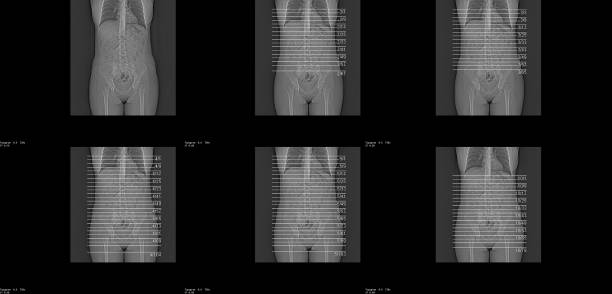
Your health expert will examine the area, and they may also order imaging tests, such as MRI scan, ultrasound, or CT scan. These help them see the position of the internal tissues and distinguish between inguinal and
femoral hernias.
Treatment
Complications
If left femoral hernias untreated or not addressed promptly, it can lead to complications like obstruction, incarceration, or strangulation. Strangulated femoral hernias are particularly dangerous, causing sudden and severe pain, fever, rapid heart rate, changes in skin color around the bulge, and vomiting. Immediate surgical intervention is necessary to prevent life-threatening consequences.
Surgery
Surgery is the standard treatment for moderate to severe femoral hernias, and there are two types: open surgery and laparoscopic surgery. Open surgery involves making an incision in the groin area, while laparoscopic surgery is a minimally invasive approach with smaller incisions.
Surgical hernia repair
While femoral hernia repair surgeries are generally safe, like any surgical procedure, they carry some risks, including bleeding, blood clots, injury to internal organs, and potential complications from anesthesia. The recovery period after surgery involves limiting activities, taking pain medication, maintaining a healthy diet, and caring for the wound.
Editor’s picks
Mottled skin or livedo reticulous
Cobblestoen throat, symptoms, treatment, pictures
Complications and risk of surgery
Surgery for a femoral hernia is usually safe still any surgery carries some level of risk. Complications, while unusual, can include:
- scarring
- difficulty passing urine
- nerve damage around the incisions
- side effects of general anesthesia
- bleeding or bruising at the incision sites
- blood clots
- difficulty passing urine
- injury to internal organs
- nerve damage around the incisions
- temporary leg weakness
- wound infection
Older adults are more frequently experience complications than younger people.